




Seamless Solar Energy Services Since 2019
We believe in sustainable energy practices that can help preserve our planet. That’s why we offer Only India’s ‘Tier-1’ Manufacturing Companies Solar Components, Our Experienced Team will ensure best services.
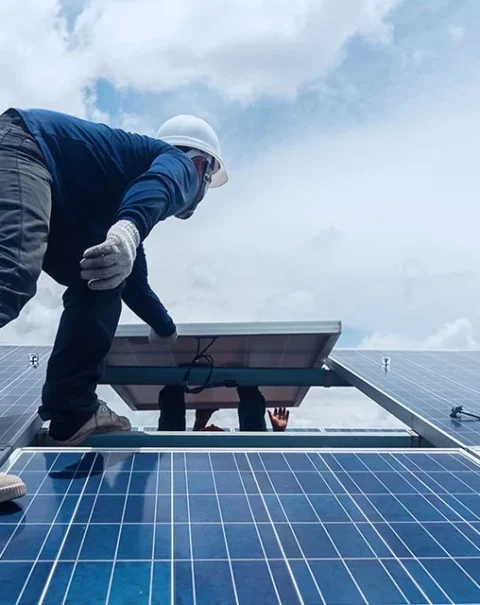
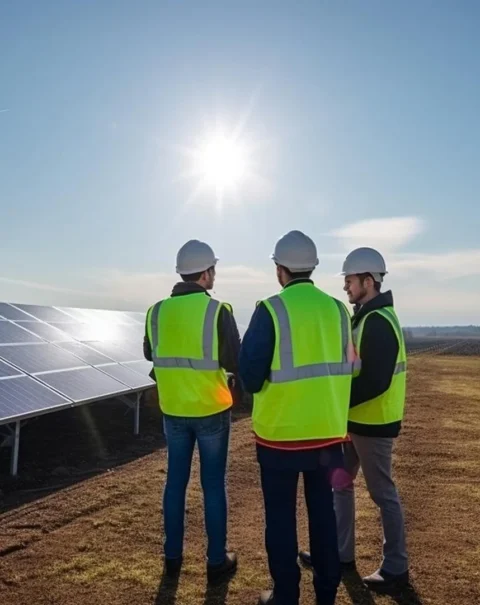
Swaraj Solar, a unit of FG Enterprises, is a Hyderabad-based Solar Systems EPC provider, we are specializes in end-to-end solar plant solutions. Since its inception (with core operations dating back to 2019), the company has focused on providing cost-effective solar energy for Residential, Commercial, Industrial and Agriculture Sectors.
Swaraj Solar Specialty:
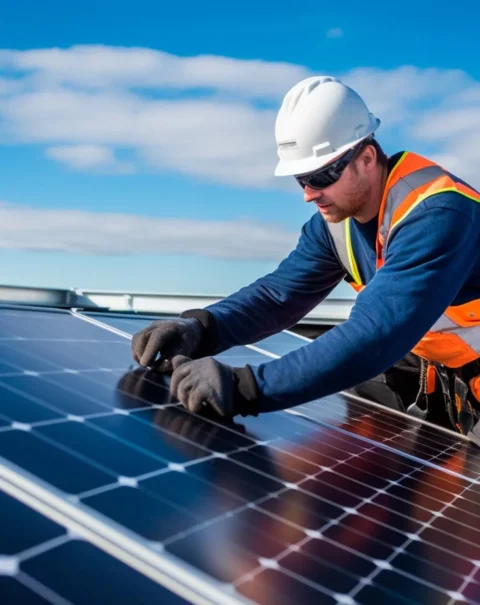
- Expert Installations
- Residential Solar Plants
- Low Cost Operations
- Solar Panel Cleaning
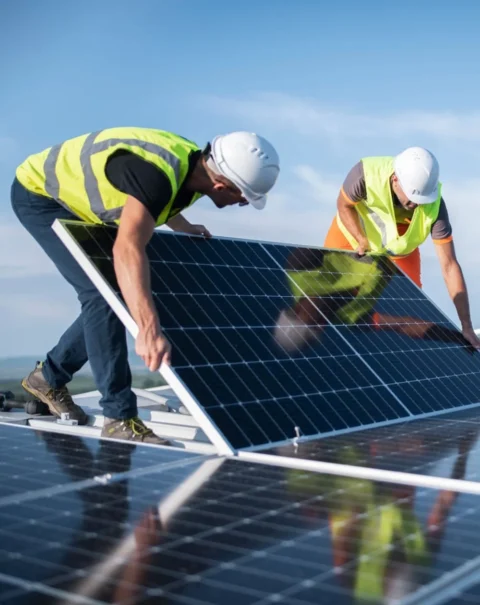
- Quick Installation Team
- Commercial Solar Setup
- Energy Independence
- Industrial Installations
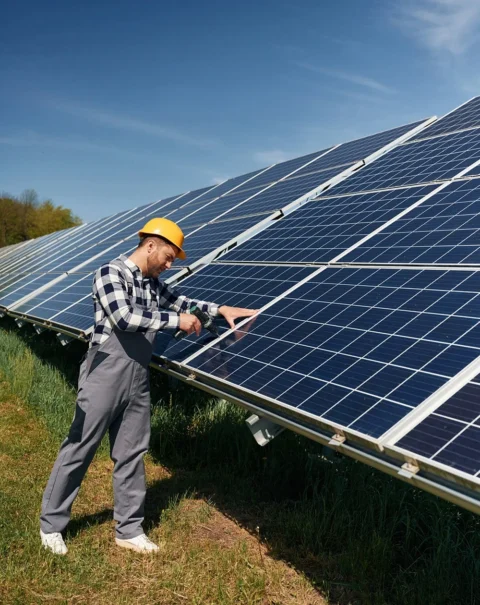
- Ground Mounted Plants
- Agriculture Solar Plants
Complete Solar End to End Solutions
- Low maintenance
- Noise - Free
- Save Electricity Bills up to 95%
- South - Facing Setup plants get highest KWH Production
- Many Locations usually the tilt angle is 30° - 45°
- Optimized Energy Usage
- Affordable Solar Solutions
- High ROI
- Custom Solar Design
- Professional Mounting Solutions
- Reliable System Integration
- Solar Panel Maintenance
- Energy Efficiency Audits
- Reduce Electricity Bills up to 95%.
Solarva believes in sustainable energy practices
We’re finding ways to bring energy to more people in more ways every day, so that all of us can be part of the changing energy system. Because Powering Progress means providing more
- Less reliant on traditional energy sources
- Reduce your carbon footprint for a healthier planet
- Producing clean and renewable source of power
- Practice conservation & promote biodiversity
Reasons to Choose Us
Review our case studies to get a better idea
Have you any Specific Questions?
What papers needed for solar installation?
1. Self-Attested Copy of Aadhaar Card,
2. Copy of the current month’s Electricity Bill.
3. Tax Receipt/Property Document
4. Cancelled Cheque to Claim Subsidy (required for PM-Surya Ghar Scheme).
Which Orientation is Ideal for getting maximum Solar Production?
1. Maximum Yield: A south-facing setup is the benchmark for the highest total annual kWh production.
2. Consistency: It provides consistent energy production throughout the day.
3. "True" South: This refers to geographic south, not magnetic south shown on a compass, which can differ by several degrees.
What is Optimal Tilt Angle?
The optimal tilt angle for solar panels is the angle at which they are tilted relative to the horizontal to receive maximum solar radiation and energy production. It generally depends on the installation location's latitude, with typical year-round recommendations equal to the latitude, or 30° - 45° in many locations.
Key Considerations for Optimal Tilt:
1. Latitude Rules: A standard rule of thumb is setting the tilt angle equal to your geographical latitude (e.g., 40° latitude = 40° tilt).
2. Seasonal Adjustments: To maximize production, adjust panels to be more vertical in winter (latitude + 15°) and flatter in summer (latitude - 15°).
3. Maximum Efficiency: The goal is to keep sun rays perpendicular to the panels.
4. Regional Differences: In Northern India, a 28° – 30° tilt is recommended, while southern regions only need about 10°.
For most residential applications, a fixed angle equal to the local latitude provides a good balance, but slight deviations (like keeping them slightly flatter for self-cleaning) are often acceptable.
What Subsidies or incentives are available in India?
India Primarily Key Solar Subsidies and Incentives
1. PM-Surya Ghar: Muft Bijli Yojana (Rooftop Solar): Subsidy: ₹30,000 Per kW for the first 2 kW, and ₹18,000 Per kW for additional capacity up to 3 kW.
--->Maximum Subsidy: Capped at ₹78,000 for systems above 3 kW.
-->Applicability: Residential households.
2. PM-KUSUM Scheme (For Farmers):
-->Components: Offers solar pumps (off-grid), solarization of existing grid-connected pumps, and setting up small solar power plants on barren land.
-->Subsidy: Up to 30% of the installation cost (50% in special regions), with states providing additional support, making it up to 60% total.
3. Net Metering (Energy Banking):
Allows consumers to export excess solar energy to the grid, reducing their electricity bills significantly.
4. State-Specific Incentives:
States like Delhi, Uttar Pradesh, and Gujarat offer additional, higher subsidies on top of the central government benefits
What Tax Exemptions and Benefits are Available in India?
Goods and Services Tax (GST):
1. Input Tax Credit (ITC): Businesses (but not residential users) can claim GST input tax credit for taxes paid on solar plant purchases.
2. Income Tax Benefits (Businesses & Commercial):
--> Accelerated Depreciation (AD): Businesses can claim 40% depreciation in the first year on solar assets, allowing them to lower taxable income on high upfront costs.
--> Section 80-IA: Solar power generating firms can claim a 100% tax exemption on profits for 10 consecutive years.
These tax benefits are designed to encourage adoption of renewable energy by reducing the initial capital investment and providing long-term operating savings.
What our clients say about our services
Ashley Jonathon
Miami, USA
Olivia Bennett
Califonia, USA
Eris Stocklin
Texas, USA
Sophia Brooks
Washington, USA